Coffee beans start as green beans, but roasting transforms them into the aromatic, flavorful beans used to make coffee. The roast level has a major influence on the color, aroma, flavor, acidity, body, and overall character of coffee. Whether you prefer a bright and fruity cup or a rich and bold brew, understanding the difference between light roast, medium roast, and dark roast coffee beans can help you choose the right coffee for your taste or business. What Is Coffee Roasting? Coffee roasting is the process of applying heat to green coffee beans to develop their flavor and aroma. During roasting, the beans change from green to different shades of brown while their physical and chemical characteristics change. The length and intensity of roasting influence the final flavor profile. In general, shorter roasting produces lighter-colored beans with more noticeable origin characteristics, while longer roasting creates darker beans with deeper roasted flavors. The three commonly discussed roast levels are: Light Roast Medium Roast Dark Roast Each roast offers a different coffee experience. Light Roast Coffee Beans Light roast coffee beans are roasted for a shorter period and typically have a lighter brown color. They generally retain more of the characteristics associated with their original coffee bean origin. Light roast coffee is often known for: Brighter acidity Fruity or floral notes More noticeable origin characteristics A lighter body Complex and vibrant flavors For example, high-quality Arabica beans from certain origins may showcase citrus, berry, floral, or other delicate flavor characteristics when roasted lightly. Who Should Choose Light Roast? Light roast coffee can be a good choice for coffee drinkers who enjoy bright, complex, fruity, floral, or origin-focused flavors. It is also popular among people who want to explore the characteristics of coffee from a particular origin. Medium Roast Coffee Beans Medium roast coffee beans have a medium brown color and offer a balance between the characteristics of the original bean and flavors developed during roasting. Medium roast coffee commonly offers: Balanced acidity Medium body Pleasant sweetness Smooth flavor A balance between origin and roast characteristics Because of this balance, medium roast is a versatile option for different brewing methods and coffee preferences. Who Should Choose Medium Roast? Medium roast coffee is suitable for people who want a balanced and approachable coffee. It can be a practical choice for homes, offices, cafés, restaurants, and other businesses looking for a versatile roasted coffee bean. Dark Roast Coffee Beans Dark roast coffee beans are roasted for longer and generally have a dark brown color. The longer roasting process creates stronger roasted characteristics and reduces some of the more delicate origin-specific flavors. Dark roast coffee is often associated with: Bold roasted flavor Fuller body Lower perceived acidity Rich aroma Chocolate, caramelized, nutty, or smoky notes depending on the bean and roasting profile Dark roast can provide a strong and intense coffee experience that many traditional coffee drinkers prefer. Who Should Choose Dark Roast? Dark roast coffee can be a good option for people who enjoy bold, rich, intense, and full-bodied coffee flavors. It is also commonly used in espresso and strong coffee preparations, depending on the specific bean and roasting profile. Light Roast vs Medium Roast vs Dark Roast Feature Light Roast Medium Roast Dark Roast Color Light brown Medium brown Dark brown Flavor Bright and complex Balanced and smooth Bold and rich Acidity Generally higher Moderate Generally lower perceived acidity Body Light Medium Fuller Origin characteristics More noticeable Balanced Less pronounced Roast flavor Subtle Moderate More prominent It’s important to remember that these are general characteristics. The final flavor of coffee also depends on the origin, variety, processing method, bean quality, roasting profile, and brewing method. Does Dark Roast Mean Stronger Coffee? Not necessarily. The word “strong” can refer to different things. Some people use it to describe a bold roasted flavor, while others mean caffeine strength or concentration. A dark roast may taste stronger because its roasted flavors are more pronounced, but roast level alone does not determine how strong a cup of coffee will be. Brewing method, coffee-to-water ratio, serving size, and the type of coffee bean also matter. Which Roast Level Is Best? There is no single best roast level for everyone. The right roast depends on your preferred flavor profile and how you plan to use the coffee. Choose light roast if you prefer: Bright and vibrant flavors Fruity or floral characteristics Stronger expression of coffee origin Choose medium roast if you prefer: Balanced flavor Moderate acidity Smooth and versatile coffee Choose dark roast if you prefer: Bold roasted flavors Fuller body Rich and intense coffee For businesses, the right choice can also depend on the customers you serve, your brewing equipment, menu, and preferred coffee profile. How Roast Level Affects Coffee Flavor Roasting doesn’t work independently of the coffee bean. The same origin can taste very different depending on how it is roasted. For example, a lighter roast may highlight the natural characteristics of the bean, while a darker roast may emphasize deeper roasted flavors. This is why choosing the right combination of coffee origin and roast profile is important when developing a coffee product. Choosing Roasted Coffee Beans for Your Business Cafés, restaurants, hotels, offices, retailers, and other businesses may have different coffee requirements. When selecting roasted coffee beans, consider: Customer preference – Do your customers prefer bright, balanced, or bold coffee? Coffee origin – Different origins can offer different flavor characteristics. Bean type – Arabica and Robusta can provide different flavor and body profiles. Roast level – Choose a roast that matches your desired coffee style. Brewing method – Espresso, filter, French press, and other methods may work well with different roast profiles. Supply consistency – Businesses need reliable quality and regular availability. Final Thoughts Light, medium, and dark roast coffee beans each offer a different balance of flavor, acidity, body, aroma, and roast character. Light roasts can highlight the unique characteristics of the coffee origin, medium roasts provide a balanced profile, and dark roasts offer richer
How Coffee Bean Origin Affects Flavor and Quality
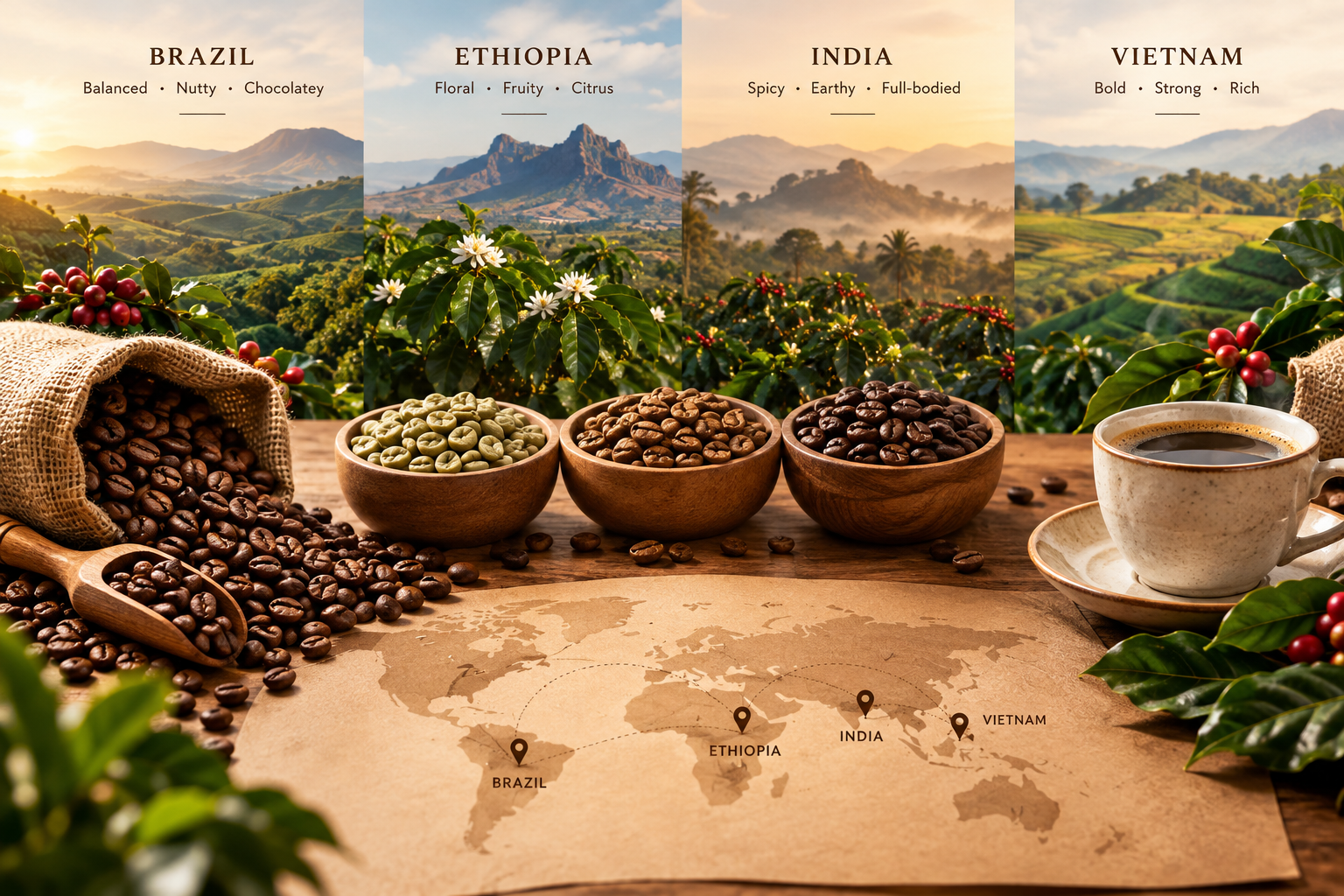
When choosing coffee beans, one of the most important factors to consider is where the coffee was grown. Coffee bean origin can have a significant influence on the bean’s flavor, aroma, acidity, body, and overall quality. Different coffee-growing regions have unique climates, altitudes, soil conditions, coffee varieties, and processing methods. These factors work together to create the distinctive characteristics found in coffee beans from different origins. Whether you are a coffee enthusiast, roaster, café owner, or business buyer, understanding coffee bean origin can help you choose the right beans for your requirements. Why Does Coffee Bean Origin Matter? Coffee is an agricultural product, which means its characteristics are strongly influenced by its growing environment. The combination of altitude, climate, soil, rainfall, temperature, coffee variety, and processing method can affect how the beans develop. This is why coffee beans from Brazil may taste different from beans grown in Ethiopia, India, or Vietnam, even when they are roasted in a similar way. The origin of a coffee bean can influence: Flavor profile Aroma Acidity Body Sweetness Aftertaste Bean density Overall cup characteristics Understanding these differences is particularly important when selecting coffee beans for roasting, blending, cafés, restaurants, or wholesale supply. How Growing Region Influences Coffee Flavor 1. Altitude Altitude is an important factor in coffee production. Coffee grown at higher elevations generally develops more slowly because of cooler temperatures. This slower development can contribute to greater complexity in the bean. Higher-altitude coffees are often associated with brighter acidity and more complex flavor characteristics, although altitude alone does not determine coffee quality. Lower-altitude coffee-growing regions can produce beans with a fuller body and different flavor characteristics. 2. Climate Temperature, rainfall, sunlight, and seasonal conditions all influence coffee plant growth. A stable climate can help coffee cherries develop consistently, while differences in rainfall and temperature can influence the size, density, and flavor development of the coffee beans. Because growing conditions vary between countries and regions, coffee from different origins can have noticeably different characteristics. 3. Soil The soil in which coffee plants grow provides nutrients that support the development of the coffee plant and cherries. Different coffee-growing regions have different soil compositions, which can contribute to differences in the characteristics of the final coffee. Soil is only one part of the equation, however. Variety, altitude, climate, farming practices, harvesting, processing, and roasting also play important roles. How Coffee Processing Affects Origin Characteristics Origin is important, but it is not the only factor that determines coffee flavor. After coffee cherries are harvested, they can be processed using different methods, including: Washed processing Natural processing Honey processing The processing method can significantly influence the final flavor profile. Washed coffees are often associated with cleaner and brighter characteristics, while naturally processed coffees can have more pronounced fruity and sweet notes. Honey processing can offer characteristics between the two. This means that two coffees from the same country can still taste very different depending on their variety, processing method, growing region, and other production factors. Popular Coffee Origins and Their Characteristics Different coffee origins are known for different styles and characteristics. However, these should be considered general tendencies rather than strict rules, because flavor can vary significantly between farms, regions, varieties, grades, and processing methods. Brazil Coffee Beans Brazil is one of the world’s major coffee-producing countries and is well known for both Arabica and Robusta coffee production. Brazilian coffee is commonly associated with balanced flavor, body, sweetness, and nutty or chocolate-like characteristics, depending on the region and processing method. Brazil coffee beans are widely used for both single-origin coffees and blends. Ethiopian Coffee Beans Ethiopia is widely recognized for its diverse coffee-growing regions and distinctive Arabica coffees. Ethiopian coffee beans are often associated with floral, fruity, citrus, and complex flavor characteristics. However, the profile can vary considerably depending on the specific region, variety, and processing method. Indian Coffee Beans India produces both Arabica and Robusta coffee beans, with coffee cultivation concentrated in several southern regions. Indian coffee can offer balanced, smooth, spicy, earthy, nutty, or full-bodied characteristics depending on the origin, variety, grade, and processing method. India is also an important origin for businesses looking for both Arabica and Robusta coffee beans. Vietnam Coffee Beans Vietnam is particularly well known for its Robusta coffee production. Vietnamese Robusta coffee beans are commonly associated with a strong body, pronounced bitterness, and bold coffee character. They are widely used in espresso blends, instant coffee production, and other commercial applications. Arabica vs Robusta: Does Origin Matter? Yes. Origin can influence both Arabica and Robusta coffee beans, but the two species naturally have different characteristics. Arabica coffee beans are generally known for more complex flavor profiles, aromatic qualities, and varied acidity. Robusta coffee beans are typically known for stronger body, higher bitterness, and a more intense coffee character. However, the final quality and flavor depend on much more than species alone. Origin, variety, altitude, farming practices, processing, grading, storage, and roasting all contribute to the final result. Does Coffee Origin Determine Quality? Not necessarily. A particular country or region does not automatically mean that every coffee bean from that origin will have the same quality. Coffee quality depends on several factors, including: Coffee variety Growing conditions Altitude Harvesting practices Cherry ripeness Processing method Bean grade and size Moisture and storage conditions Transportation Roasting quality For this reason, it is better to evaluate coffee based on its specific origin, grade, characteristics, processing, and intended use rather than choosing beans based only on country. How to Choose Coffee Beans Based on Origin When selecting coffee beans, consider what type of coffee you want to produce and how the beans will be used. For example: For balanced and versatile coffee:Consider origins and varieties known for balanced body, sweetness, and flavor. For fruity and aromatic profiles:Ethiopian Arabica and other high-quality Arabica origins may be worth exploring. For bold and full-bodied coffee:Robusta origins such as Vietnam or India can be suitable depending on the desired cup profile. For commercial blends:Combining Arabica and Robusta from suitable origins
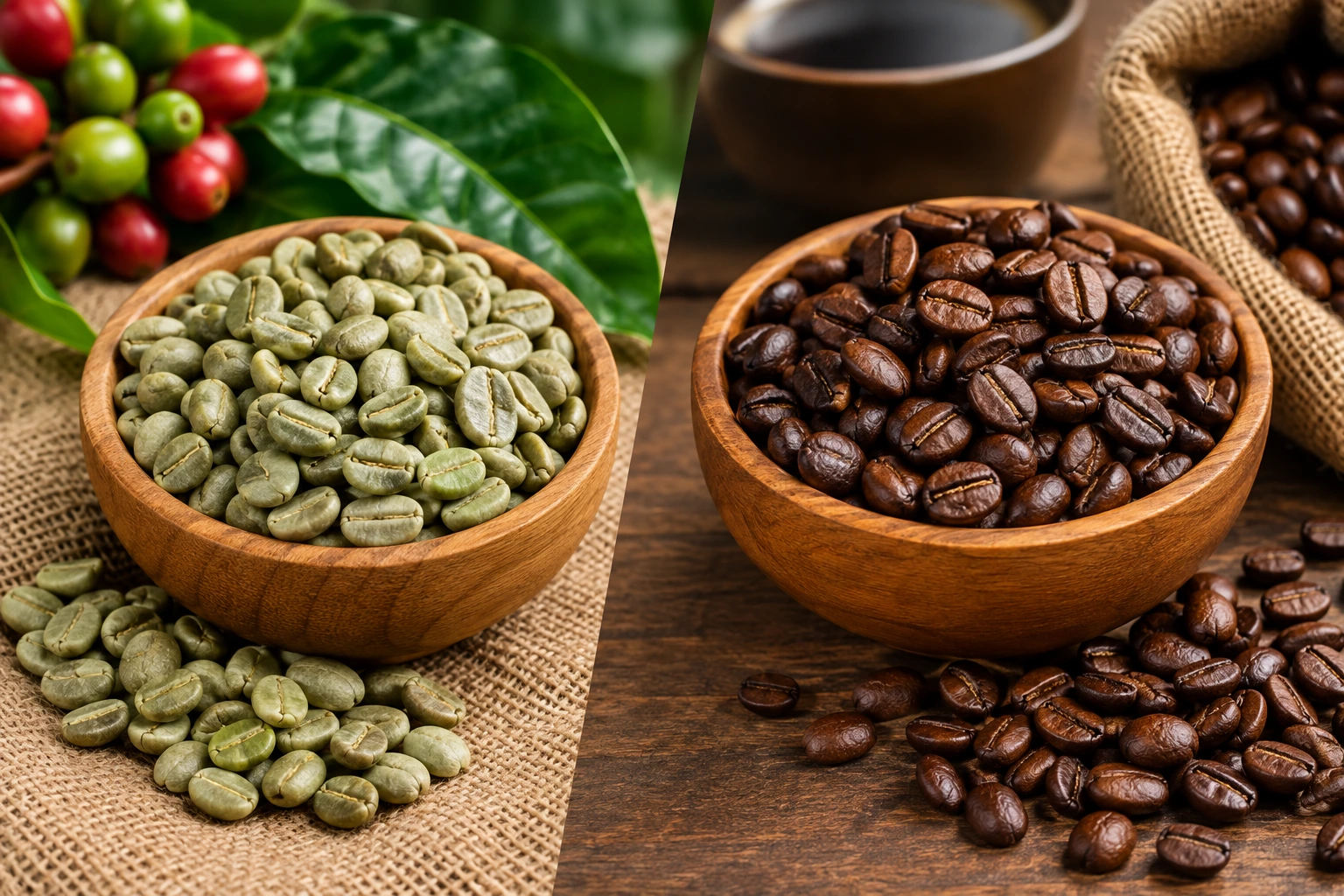
Green Coffee Beans vs Roasted Coffee Beans: What’s the Difference?
Green Coffee Beans vs Roasted Coffee Beans: What’s the Difference? Coffee starts its journey as a green coffee bean before it is transformed through roasting into the aromatic brown beans used to prepare coffee. While both green and roasted coffee beans come from the same coffee plant, they are different in appearance, flavor, aroma, storage, and use. Understanding the difference between green coffee beans and roasted coffee beans can help cafés, coffee businesses, roasters, retailers, and coffee enthusiasts choose the right type for their needs. What Are Green Coffee Beans? Green coffee beans are unroasted coffee beans. After coffee cherries are harvested and processed, the beans are dried, sorted, and prepared for storage or transportation without going through the roasting process. Green coffee beans typically have a pale green, yellowish, or grey-green appearance. They have a mild, raw aroma compared with roasted coffee and do not have the familiar roasted coffee flavor. Green coffee beans are commonly purchased by: Coffee roasters Importers and exporters Cafés with in-house roasting Coffee manufacturers Specialty coffee businesses Wholesale coffee buyers Because they have not been roasted, green coffee beans allow roasters to control the roasting profile and develop the desired flavor characteristics. What Are Roasted Coffee Beans? Roasted coffee beans are green coffee beans that have been heated at controlled temperatures to develop their characteristic coffee flavor, aroma, color, and texture. During roasting, heat causes significant physical and chemical changes inside the beans. The beans become darker, less dense, and more aromatic, while developing flavors that can include chocolate, caramel, nuts, fruits, spices, and other tasting notes depending on the origin, processing method, and roast profile. Roasted coffee beans are ready to be ground and brewed according to the chosen coffee preparation method. Green Coffee Beans vs Roasted Coffee Beans Although they originate from the same coffee cherry, green and roasted coffee beans have several important differences. Feature Green Coffee Beans Roasted Coffee Beans Roasting Not roasted Roasted Appearance Green, pale, or yellowish Light to dark brown Aroma Mild and raw Rich and aromatic Flavor Raw and vegetal Developed coffee flavors Texture Firm and dense More brittle and porous Main Use Roasting and processing Grinding and brewing Roast Control Buyer/roaster controls roasting Roast profile already established Preparation Generally roasted before brewing Ready to grind and brew Difference in Appearance One of the easiest ways to distinguish green coffee beans from roasted coffee beans is their appearance. Green coffee beans generally have a pale green, grey-green, or yellowish color. They are dense and relatively hard. Roasted coffee beans range from light brown to very dark brown depending on the roast level. They become more brittle and porous as roasting progresses. Difference in Flavor and Aroma Green coffee beans have a very different aroma and flavor profile from roasted beans. They do not contain the familiar aromas associated with brewed coffee because those characteristics develop significantly during roasting. Roasted coffee beans have a much more pronounced aroma and can develop a wide range of flavors. Depending on the coffee’s origin and roast profile, you may find notes such as: Chocolate Caramel Nuts Citrus Berries Spices Floral notes The final cup is influenced by several factors, including the coffee’s origin, variety, processing method, roast level, grinding, and brewing technique. Difference in the Roasting Process The biggest difference is simple: green coffee beans have not been roasted, while roasted coffee beans have. Roasting involves heating green coffee beans under controlled conditions. As the beans heat up, they change in color, size, aroma, structure, and flavor. Roasters carefully control factors such as: Temperature Roasting time Heat application Development time Cooling The roasting approach can significantly influence the characteristics of the finished coffee. Difference in Storage Green coffee beans and roasted coffee beans require different storage considerations. Green coffee beans are generally stored in dry, clean conditions away from excessive moisture, heat, and contamination. Proper storage helps preserve their quality before roasting. Roasted coffee beans are particularly sensitive to oxygen, moisture, heat, and light. Proper packaging and storage are important for maintaining freshness and protecting their developed aromas and flavors. For businesses purchasing roasted coffee beans, packaging, storage conditions, and delivery practices should all be considered when evaluating freshness and quality. Which Is Better for Your Business? There is no single answer because the right choice depends on your business requirements. Choose Green Coffee Beans If: You roast coffee yourself You operate a coffee roasting facility You want control over the roast profile You purchase coffee in bulk for roasting You work with different origins and varieties You want to develop your own roasting profiles Green coffee gives roasters greater control over how the final coffee is developed. Choose Roasted Coffee Beans If: You want coffee that is ready to grind and brew You operate a café, restaurant, hotel, or office You do not have roasting equipment You need consistent roasted coffee for regular service You want to focus on brewing rather than roasting Roasted coffee beans can be a convenient option for businesses that want ready-to-use coffee without managing the roasting process. Arabica and Robusta: Available as Green or Roasted Beans Both Arabica and Robusta coffee beans can be purchased in green or roasted form. Arabica is widely known for its varied and often complex flavor characteristics, while Robusta is commonly associated with a stronger body and distinctive flavor profile. The characteristics of each coffee also depend on origin, variety, processing, and roasting. At Stork Beans, businesses can explore different coffee origins and bean types depending on their requirements, including Arabica and Robusta options. Why Coffee Origin Matters Whether you choose green or roasted coffee beans, origin remains an important factor. Coffee-producing regions such as Brazil, Ethiopia, India, Vietnam, Uganda, and Nicaragua can produce coffees with different characteristics because of differences in climate, altitude, varieties, soil, processing methods, and farming practices. For businesses, selecting the right origin can help create a coffee offering that matches their desired flavor profile and customer preferences. Green Coffee Beans or Roasted Coffee
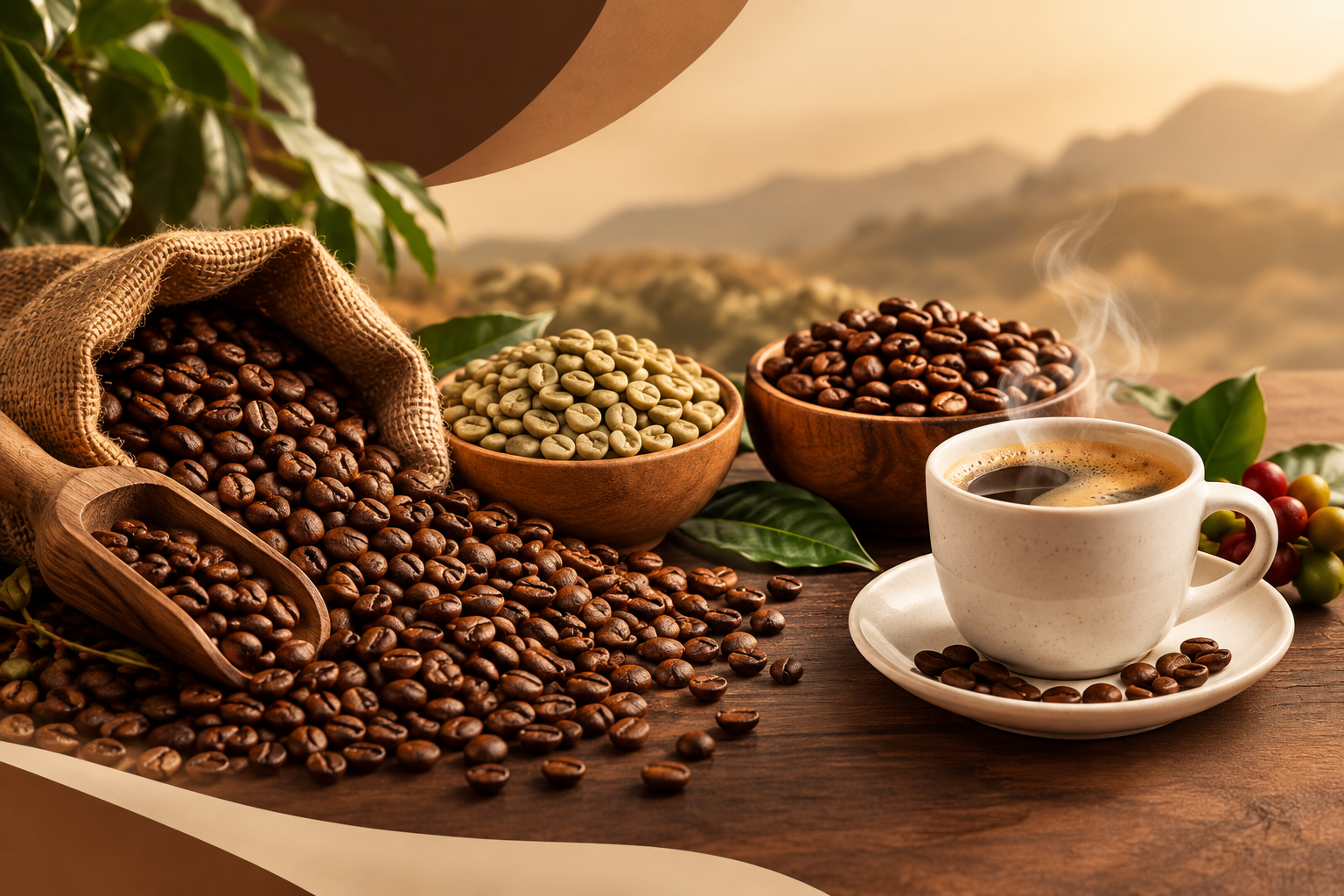
How to Choose the Right Coffee Beans for Your Business
How to Choose the Right Coffee Beans for Your Business Choosing the right coffee beans is an important decision for cafés, restaurants, hotels, coffee shops, offices, and other businesses that serve coffee. The beans you choose can influence the flavor, aroma, consistency, and overall coffee experience you provide to your customers. With so many options available, including Arabica, Robusta, different origins, roast levels, and green or roasted beans, finding the right coffee can seem complicated. This guide will help you understand the key factors to consider when choosing coffee beans for your business. 1. Choose the Right Coffee Bean Variety The first step is deciding which type of coffee bean best suits your business. Arabica Coffee Beans Arabica coffee beans are known for their aromatic qualities, smooth character, and diverse flavor profiles. They can be a suitable choice for cafés and businesses looking to offer a more refined coffee experience. Arabica beans are available from many origins, with each origin offering its own characteristics. Robusta Coffee Beans Robusta coffee beans are known for their stronger character, fuller body, and naturally higher caffeine content compared with Arabica. They are commonly used in espresso and coffee blends. Robusta can be a good option for businesses looking for a bold coffee profile and strong crema. Arabica and Robusta Blends Some businesses choose a blend of Arabica and Robusta to create a balance of aroma, body, strength, and crema. The right choice depends on your menu, brewing method, and customer preferences. 2. Consider the Coffee Origin Coffee origin is another important factor when selecting your beans. Coffee-growing regions have different climates, soils, elevations, coffee varieties, and processing methods. These factors can influence the characteristics of the final cup. Popular coffee origins include: Brazil Vietnam India Ethiopia Uganda Colombia Indonesia For example, Brazil is well known for producing both Arabica and Robusta coffee, while Vietnam is particularly recognized for its Robusta production. Exploring different origins can help you find a coffee profile that matches your business and customers. 3. Choose Between Green and Roasted Coffee Beans Your business model will also determine whether you need green coffee beans or roasted coffee beans. Green Coffee Beans Green coffee beans are unroasted coffee beans. They are commonly purchased by coffee roasters and businesses that roast their own coffee. Buying green beans can give roasters greater control over the roasting process and the final coffee profile. Roasted Coffee Beans Roasted coffee beans are ready to be ground and brewed. They are a convenient option for cafés, restaurants, hotels, offices, and other businesses that do not roast their own coffee. If you are looking for convenience and ready-to-brew coffee, roasted beans may be the more suitable option. 4. Select the Right Roast Level If you are buying roasted coffee beans, the roast level is an important consideration. Light Roast Light roasted coffee generally preserves more of the bean’s original characteristics and can offer brighter and more distinctive flavor notes. Medium Roast Medium roast provides a balance between the characteristics of the coffee bean and the flavors developed during roasting. It is a versatile choice for many brewing methods. Dark Roast Dark roast generally produces a deeper, stronger roasted character and can be suitable for businesses looking for a bold and intense coffee profile. There is no single roast level that works for every business. The best choice depends on your brewing method and the type of coffee experience you want to provide. 5. Match the Beans to Your Brewing Method Your coffee equipment should also influence your bean selection. For espresso-based drinks such as espresso, cappuccino, latte, and flat white, businesses often look for beans that provide good body, balanced flavor, and suitable crema. For filter coffee and manual brewing methods, you may prefer beans with distinctive aroma and flavor characteristics. Before placing a large order, test the beans using the same equipment and brewing method you use in your business. 6. Understand Your Customers Your customers’ preferences should play an important role in your decision. If your customers prefer a smooth and aromatic coffee, Arabica beans may be worth exploring. If they prefer a stronger and more intense coffee, Robusta or an Arabica-Robusta blend may be suitable. If your business serves different types of coffee drinkers, you can also consider offering more than one coffee option. 7. Consider Quality and Consistency For a coffee business, consistency is extremely important. Before choosing a coffee supplier, consider: Bean quality Coffee origin Bean variety Processing method Roast consistency Freshness Packaging Storage Product availability Supply reliability A coffee that performs consistently from one order to the next can make it easier for your business to maintain the same coffee experience for customers. 8. Choose the Right Quantity Your order quantity should match your business’s actual coffee consumption. A small café may require smaller and more frequent orders, while restaurants, hotels, distributors, and larger coffee businesses may need coffee beans in bulk. For wholesale coffee purchases, discuss: Available quantities Packaging options Delivery requirements Regular supply Product availability Pricing based on order volume Buying the right quantity can also help you manage inventory and maintain freshness. 9. Test Coffee Beans Before Buying in Bulk If possible, test your coffee beans before committing to a large order. Evaluate the beans based on: Aroma Flavor Body Acidity Aftertaste Crema Brewing performance Overall consistency Testing the coffee with your own equipment is especially useful because the same beans can perform differently depending on the brewing method and recipe. 10. Choose a Reliable Coffee Bean Supplier Finding the right supplier is just as important as finding the right coffee. A reliable coffee bean supplier should provide clear information about the coffee’s origin, variety, availability, packaging, and supply options. For businesses purchasing coffee regularly, dependable communication and consistent product availability can make the purchasing process much easier. At Stork Beans, we provide carefully selected coffee beans from different origins, including Arabica and Robusta coffee beans, with options for businesses looking for green or roasted coffee beans. Frequently Asked